✨ Techniques guide

Astrology techniques explained one by one

How each technique works, which astronomical principle it is based on and what kind of questions it answers. From the natal chart to synastry, with a table to pick the right one.

6 min read · Updated

8 techniques

How each technique works

They all start from the natal chart: what changes is the moment compared with it, or how charts are combined.

Natal chart1

Natal chart

The foundation of all astrology: the map of the sky at the exact moment and place of your birth. It describes your character, talents and core challenges.

How it works

Positions of the planets along the ecliptic, seen from your birthplace, plus the ascendant, midheaven and houses calculated from local time.

What it answers

Who am I? What drives me? What are my strengths and growth areas?
Planetary transits2

Planetary transits

Compares where the planets are today with your natal chart. It is the most used technique to understand what you are living now and anticipate phases.

How it works

Planets keep moving after you are born. When they form aspects to your natal planets, they activate those themes. Slow planets (Jupiter, Saturn, Uranus, Neptune, Pluto) mark processes lasting months or years, like the Saturn return around age 29.

What it answers

What is going on in my life now? Which phase is starting? When is a good time for a change?

Solar return3

Solar return

The chart of your year: cast for the exact moment the Sun returns to the position it held when you were born, close to your birthday.

How it works

The Sun travels the zodiac in a year. The chart of the instant it returns to your natal degree describes the themes until your next birthday; its ascendant and houses are calculated for where you are at that moment.

What it answers

Which themes will mark this year? Which areas will see the most movement?

Lunar return4

Lunar return

Like the solar return, but with the Moon: a chart for each return of the Moon to its natal position, describing the emotional climate of the month.

How it works

The Moon completes the zodiac in about 27.3 days (the sidereal month). Each return to its natal degree starts a new emotional and domestic cycle.

What it answers

How will I feel this month? What will I need emotionally? What will happen at home?

Secondary progressions5

Secondary progressions

Show how your chart "matures" over the years. While transits describe what comes from outside, progressions describe your inner evolution.

How it works

The symbolic "one day = one year" rule: planet positions 30 days after your birth describe your 30th year. The progressed Moon changes sign about every 2.5 years and the progressed Sun moves roughly one degree per year.

What it answers

Which stage of personal development am I in? What is changing inside me?

Synastry6

Synastry

Compares two natal charts to understand the dynamic between two people: attraction, affinities, friction and what each one activates in the other.

How it works

It measures the aspects between one person’s planets and the other’s (for example, one person’s Venus trine the other’s Moon) and which houses of each chart the other person’s planets fall into.

What it answers

Are we compatible? Where do we flow and where do we clash? What do we learn together?

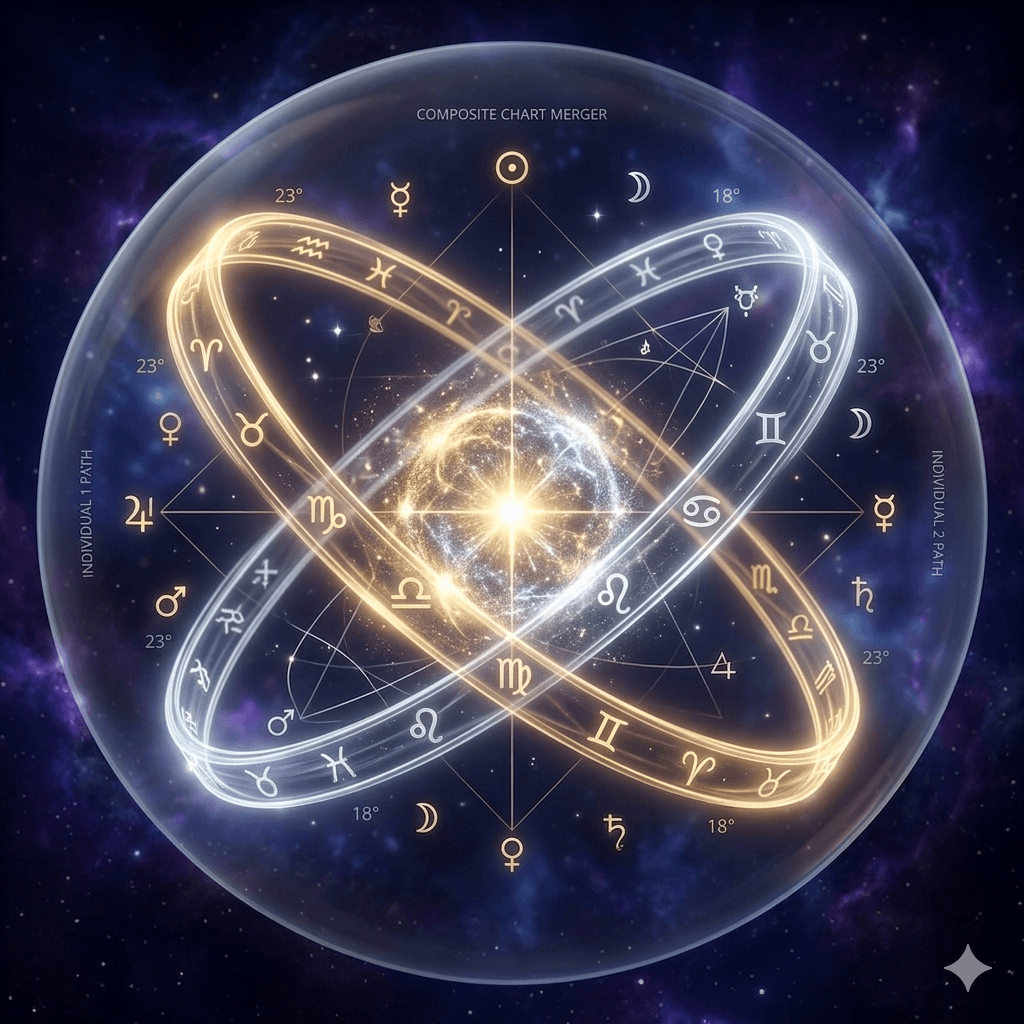
Composite chart7

Composite chart

The chart of the relationship itself: instead of comparing two people, it creates a third chart describing the bond as an entity of its own.

How it works

It takes the midpoint between each pair of planets in the two charts (the composite Sun sits halfway between both Suns, and so on). The method was popularized by Robert Hand in the 1970s.

What it answers

What is this relationship for? What is its purpose and challenge as a couple, partnership or family?

Astrological gematria8

Astrological gematria

Combines letter numerology with the birth chart: it translates names and words into numeric values and relates them to your celestial configuration.

How it works

Gematria assigns a number to each letter, a tradition rooted in Hebrew Kabbalah and Greek numerology. On Aspectados it is calculated with AstroSpica’s astrogematria tool.

What it answers

What vibration does my name carry? How does it relate to my chart? Which name best suits a project?

Choose wisely

Which technique to use for your question

Who am I and what drives me?

Technique
Natal chart
Time frame
Lifetime

What am I going through now?

Technique
Transits
Time frame
Weeks to years

What does this year hold?

Technique
Solar return
Time frame
Birthday to birthday

How will this month feel emotionally?

Technique
Lunar return
Time frame
About 27 days

How am I evolving inside?

Technique
Secondary progressions
Time frame
Years

Are we compatible?

Technique
Synastry
Time frame
The relationship

What is this relationship for?

Technique
Composite chart
Time frame
The relationship

What vibration does a name carry?

Technique
Astrological gematria
Time frame
Timeless
Advanced

How astrologers combine techniques

The natal chart is always the starting point

No predictive technique is read on its own: a Saturn transit does not mean the same for someone with a strong natal Saturn as for someone with a weak one. That is why every technique is read against the natal chart.

Layers of time

To study a period, three layers are combined: progressions (the inner climate over several years), the solar return (the themes of the year) and transits (when each theme is triggered). When all three point to the same thing, the theme is highly relevant.

Relationships on two levels

Synastry explains what each person experiences in the relationship; the composite chart, what the relationship itself is. Together they give a complete picture of the bond.

Astrology techniques FAQ

The most common questions about predictive and relationship techniques.

Transits use where the planets actually are today and describe external influences and events. Progressions use the symbolic "one day = one year" rule and describe inner evolution.

Many astrologers cast the solar return for where you spend your birthday, since it changes the ascendant and houses of the year. Others always use the birthplace. Both approaches are widespread.

Synastry overlays two charts and analyzes how the two people affect each other. A composite chart merges both into a single chart representing the relationship.

Yes. On Aspectados you pick the technique, fill in the details it asks for and the AI interprets the result in plain language.

The natal chart is included in the free plan. Transits, returns, progressions, synastry, composite chart and gematria are available in the paid plans.

Discover what each technique says about you

Start free with your natal chart and explore advanced techniques whenever you want to go deeper.

Sign up free

No credit card required. The natal chart is included in the free plan.

Astrology Techniques Explained: Transits, Solar Return, Progressions and Synastry | Aspectados